Water treatment plant not meeting permit or design capacity
Missed permits and reduced capacity usually trace to the same three levers: chemical dosing, sludge handling and asset condition. All of them are engineering problems before they are equipment problems.
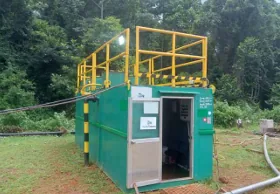
Mobile Containerised Wastewater & Sewage Treatment System
A fully containerised, plug-and-play wastewater treatment solution capable of treating up to 30 m³ of domestic sewage and grey water per day. Designed for remote camps, industrial facilities, oil & gas operations, mining sites and temporary installations — high-quality treated water, lower operating cost, lower environmental impact.
- Plug-and-play — arrives on skid, commissioned in days
- Up to 30 m³/day of domestic sewage and grey water
- Built for remote camps, rigs, mines and temporary installations
- Discharge-quality effluent with SCADA and remote monitoring options
Symptoms
- Effluent quality drifting close to or beyond permit limits
- Plant hydraulic or biological capacity not meeting design
- Sludge production overwhelming existing dewatering capacity
- Chemical spend rising without matching improvement in performance
How we solve it
Process review — jar testing, mass balance, and chemical dosing verification.
Coagulant, polymer and pH-correction chemistry re-selection with pilot support.
Sludge dewatering upgrade — centrifuge, filter press or mobile package where existing kit is undersized.
Instrumentation and control loop review to close the loop on chemical dosing and process response.
“A plant hitting permit issues rarely needs bigger tanks. It usually needs the right chemistry, correctly dosed, and enough sludge handling capacity to keep up. Both are quick wins compared with new civils.”
Facing this problem right now?
Send us the symptoms and current setup. Our engineers will come back with a diagnostic framework and concrete recommendation within one working day.
Other common problems
High drilled solids in the active mud system
When low-gravity solids build up in the active system, mud properties drift, dilution climbs and rheology becomes hard to maintain — usually a solids control chain issue, not a mud chemistry one.
Excessive mud dilution and rising mud cost per well
If dilution factor is climbing, mud spend is climbing with it. The lever is usually solids control efficiency, not a cheaper base fluid.
Poor shale shaker performance
Blinding, screen tears, poor conveyance and whole-mud loss are usually screen selection or deck-angle problems — not shaker problems.