Filter Presses
Recessed-chamber and membrane filter presses for high-solids cake production on water, wastewater and mineral processing duties.
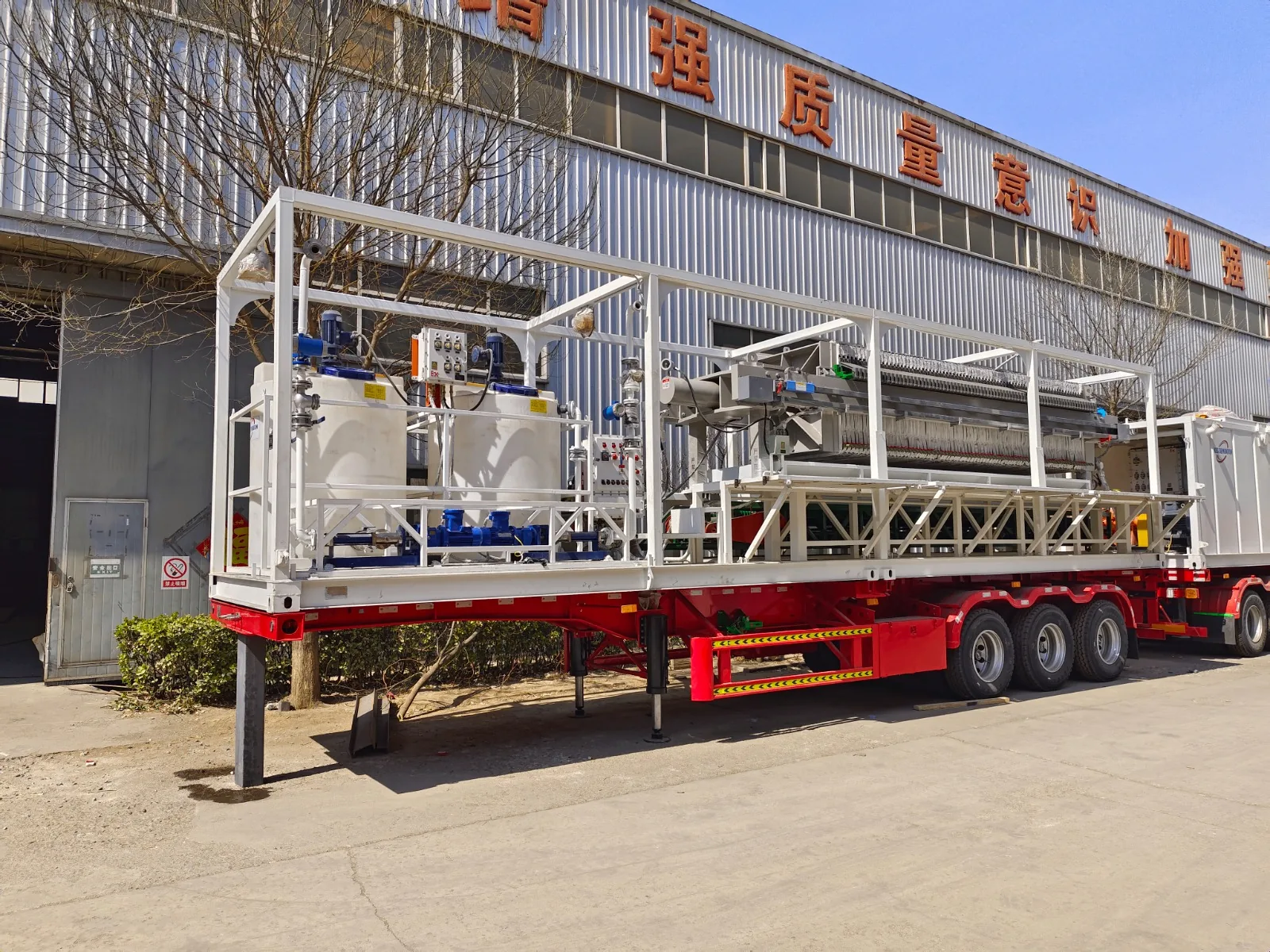
Filter presses produce the driest cake of any mechanical dewatering technology — routinely 35–50% dry solids and higher on membrane presses. They are the right answer on batch duties, hydroxide sludges, and any application where landfill weight is the cost driver.
Paragon supplies recessed-chamber and membrane filter presses in polypropylene and cast iron, with automatic plate shifters, cloth-wash systems and cake-shute options.
How it works
- 1Slurry is pumped into a stack of filter plates under progressively rising pressure (typically 7–15 bar, higher on membrane presses).
- 2Filtrate passes through the filter cloth on each plate; solids build up as a cake in the chamber between plates.
- 3Feed continues until pressure and cake thickness plateau, then feed stops and (on membrane presses) rubber membranes inflate to squeeze the cake to a higher dryness.
- 4The plate pack opens, cake drops into a skip or conveyor, and the cycle repeats.
Typical specifications
Specifications indicative — actual configuration sized against your specific process.
Typical applications
- Metal hydroxide sludge from surface-treatment wastewater
- Ceramic, paint and pigment industry filtration
- Mineral concentrate dewatering
- Oily sludge and refinery waste dewatering
- Drinking water treatment sludge and coagulant residuals
Selection factors
Recessed vs membrane
Membrane presses cost more and add a squeeze step, but on compressible sludges they deliver several percentage points of extra cake dryness — often paying back through reduced haulage in months.
Cloth selection is the operator's real lever
Filter cloth micron rating, weave and material dictate filtrate clarity and cake release. Keep a matched spare set on site and treat cloth as a routine consumable, not a spare.
Feed pump sizing and conditioning
A filter press is only as good as its feed pump. Positive-displacement PC or piston-diaphragm pumps with correct ramp-up profiles deliver higher throughput and better cake than an oversized centrifugal.
“If a filter press is under-performing, look at the cloth first, the feed pump ramp-up second and the press third. In that order.”
Spares we supply
Why Choose Paragon
30+ years of field experience
Our engineers have specified, commissioned and troubleshot equipment on projects across Europe, Africa, the Middle East and the Americas.
Independent technical advice
We are not tied to a single manufacturer — recommendations are driven by fit for your process, not by margin.
Global sourcing network
Trusted OEM and specialist aftermarket suppliers, with dual-sourced wear parts to protect you from lead-time risk.
Delivered ready to work
Inspection, testing, commissioning and technical support included — not left as an afterthought.
Responsive engineering support
One working-day response on technical enquiries, and hands-on troubleshooting when you need it.
Long-term client relationships
Most of our work comes from clients we've supported through multiple projects and equipment life cycles.
Need help specifying a filter presses?
Share your flow rate, feed characteristics and site constraints — our engineers will come back with a concrete configuration and budget within one working day.
Related equipment
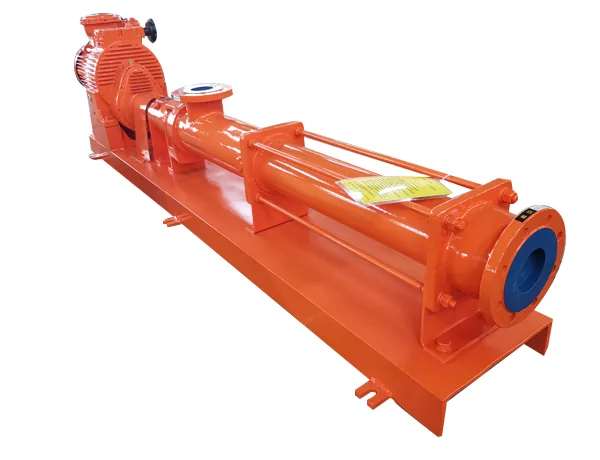
Progressive Cavity Pumps
Positive-displacement PC pumps for high-viscosity, shear-sensitive and solids-laden fluids — polymer, sludge and dosing service.
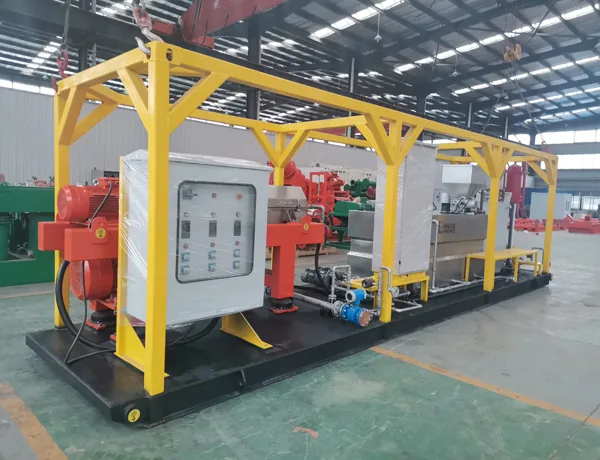
Mobile Dewatering Units
Containerised and skid-mounted dewatering packages combining centrifuge, polymer make-up and cake handling for rapid on-site deployment.
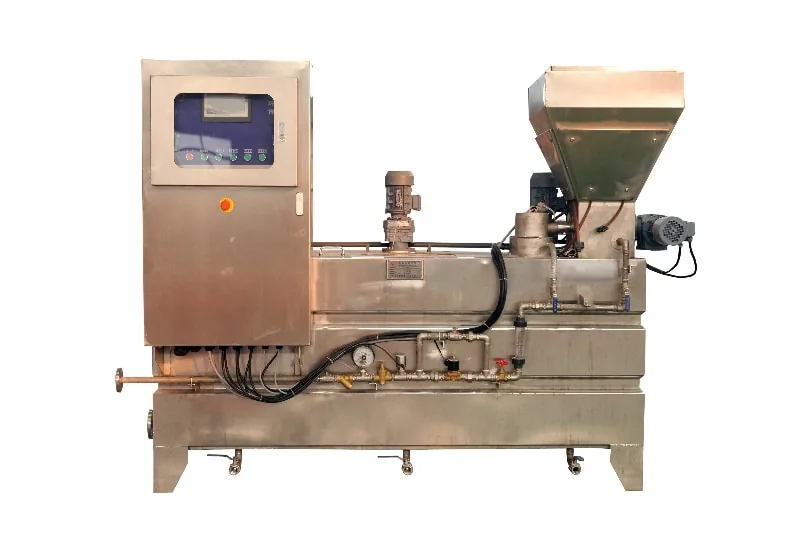
Chemical Dosing Systems
Integrated dosing skids for polymer, coagulant, pH correction and biocide — accurate metering, automatic control and hazardous-area options.