Progressive Cavity Pumps
Positive-displacement PC pumps for high-viscosity, shear-sensitive and solids-laden fluids — polymer, sludge and dosing service.
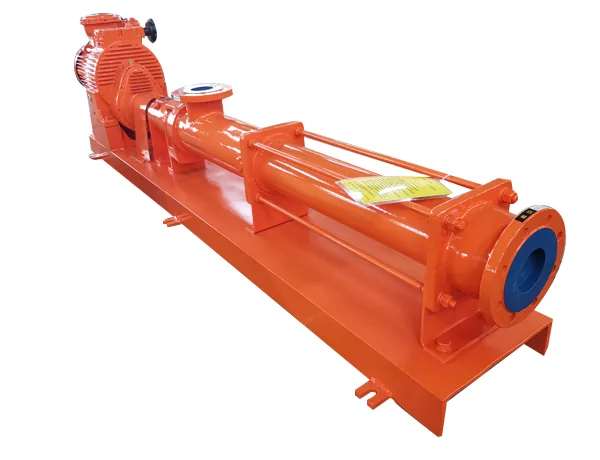
Progressive cavity (PC) pumps handle the fluids centrifugal pumps struggle with — high viscosity, high solids, shear-sensitive polymers, and low-flow dosing service where flow linearity matters. A single-helix rotor turning inside a double-helix elastomer stator produces a smooth, non-pulsating, near-constant flow at any speed.
Paragon supplies PC pumps for centrifuge feed, filter-press feed, polymer dosing, and sludge transfer, with rotor and elastomer specifications matched to the actual fluid.
How it works
- 1A precision-machined helical rotor turns eccentrically inside a fixed elastomer stator with a matching internal helix.
- 2The geometry forms sealed cavities that progress smoothly from suction to discharge as the rotor turns — one cavity closes as the next opens.
- 3Flow is directly proportional to rotor RPM, making PC pumps ideal for accurate metering and low-shear transfer.
- 4Rotor/stator interference (fit class) is tuned to fluid viscosity, temperature and abrasiveness.
Typical specifications
Specifications indicative — actual configuration sized against your specific process.
Typical applications
- Polymer dosing and metering
- Centrifuge and filter-press feed
- Sludge and biosolids transfer
- Cement, grout and abrasive slurry service
- Chemical dosing on wastewater and produced water
Selection factors
Match elastomer to the fluid
Stator elastomer is the single biggest life driver. NBR handles most water/oil mixes; FKM/Viton is essential for aromatic hydrocarbons; EPDM is right for high-pH sludge. Get the fluid chemistry right at spec, not after the first failure.
Never run dry
Dry-running a PC pump destroys the stator in minutes. Fit a low-flow / dry-run protection sensor as standard on any critical duty — it is the cheapest insurance policy on the skid.
Rotor/stator fit class
Fit is tuned to viscosity and temperature. Loose fits leak; tight fits overheat and delaminate. Follow OEM guidance for the actual duty temperature, not ambient.
“Almost every early PC pump failure we investigate comes down to the wrong stator elastomer for the fluid, or dry-run damage. Both are avoidable at specification.”
Spares we supply
Why Choose Paragon
30+ years of field experience
Our engineers have specified, commissioned and troubleshot equipment on projects across Europe, Africa, the Middle East and the Americas.
Independent technical advice
We are not tied to a single manufacturer — recommendations are driven by fit for your process, not by margin.
Global sourcing network
Trusted OEM and specialist aftermarket suppliers, with dual-sourced wear parts to protect you from lead-time risk.
Delivered ready to work
Inspection, testing, commissioning and technical support included — not left as an afterthought.
Responsive engineering support
One working-day response on technical enquiries, and hands-on troubleshooting when you need it.
Long-term client relationships
Most of our work comes from clients we've supported through multiple projects and equipment life cycles.
Need help specifying a progressive cavity pumps?
Share your flow rate, feed characteristics and site constraints — our engineers will come back with a concrete configuration and budget within one working day.
Related equipment
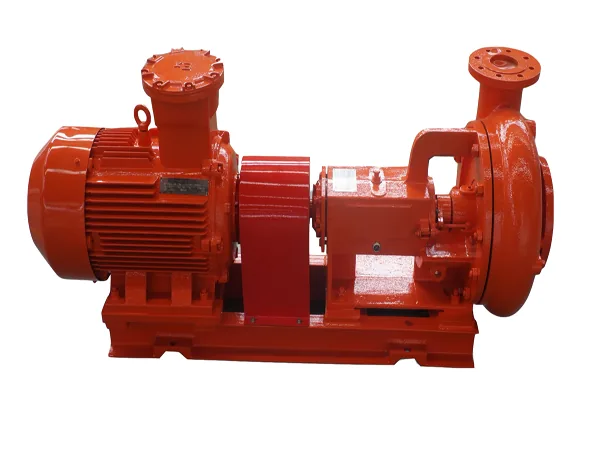
Centrifugal Pumps
Heavy-duty centrifugal pumps for mud transfer, mixing, charging and general slurry service across drilling and industrial operations.
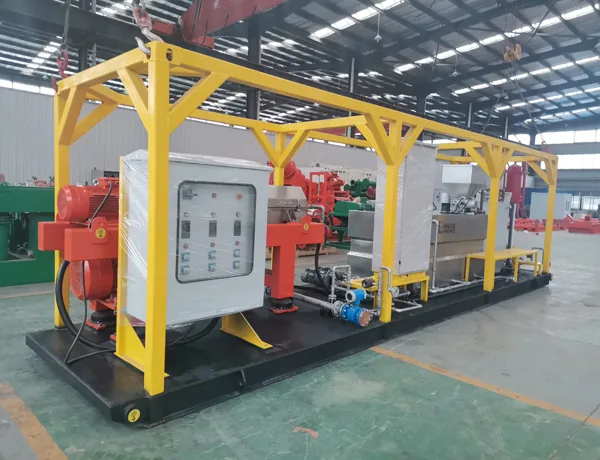
Mobile Dewatering Units
Containerised and skid-mounted dewatering packages combining centrifuge, polymer make-up and cake handling for rapid on-site deployment.
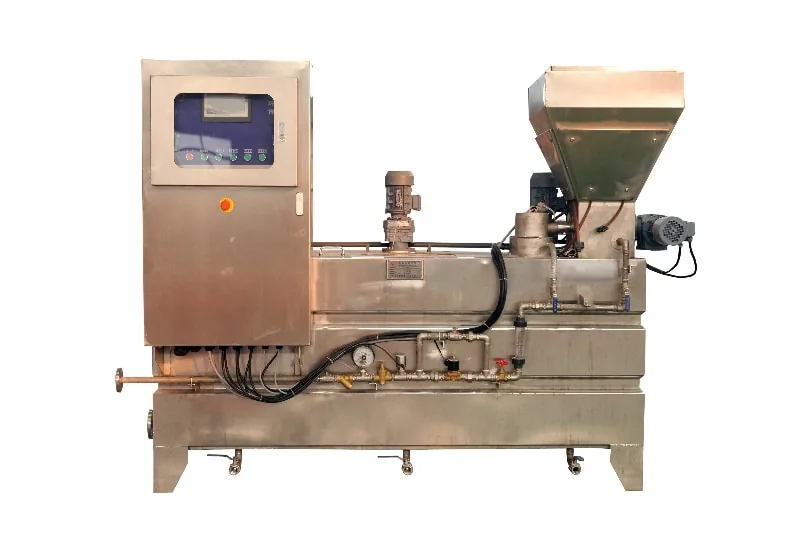
Chemical Dosing Systems
Integrated dosing skids for polymer, coagulant, pH correction and biocide — accurate metering, automatic control and hazardous-area options.