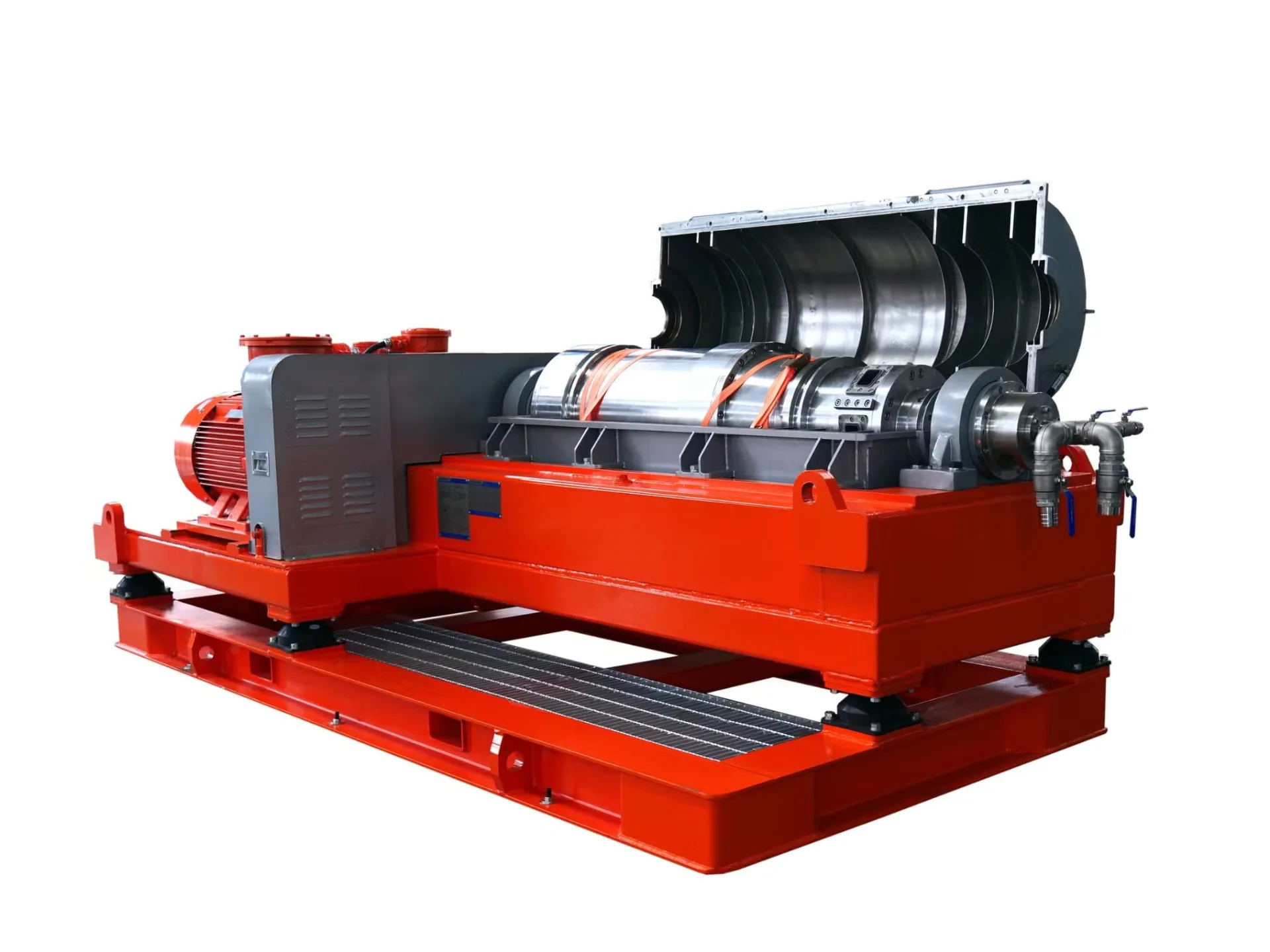
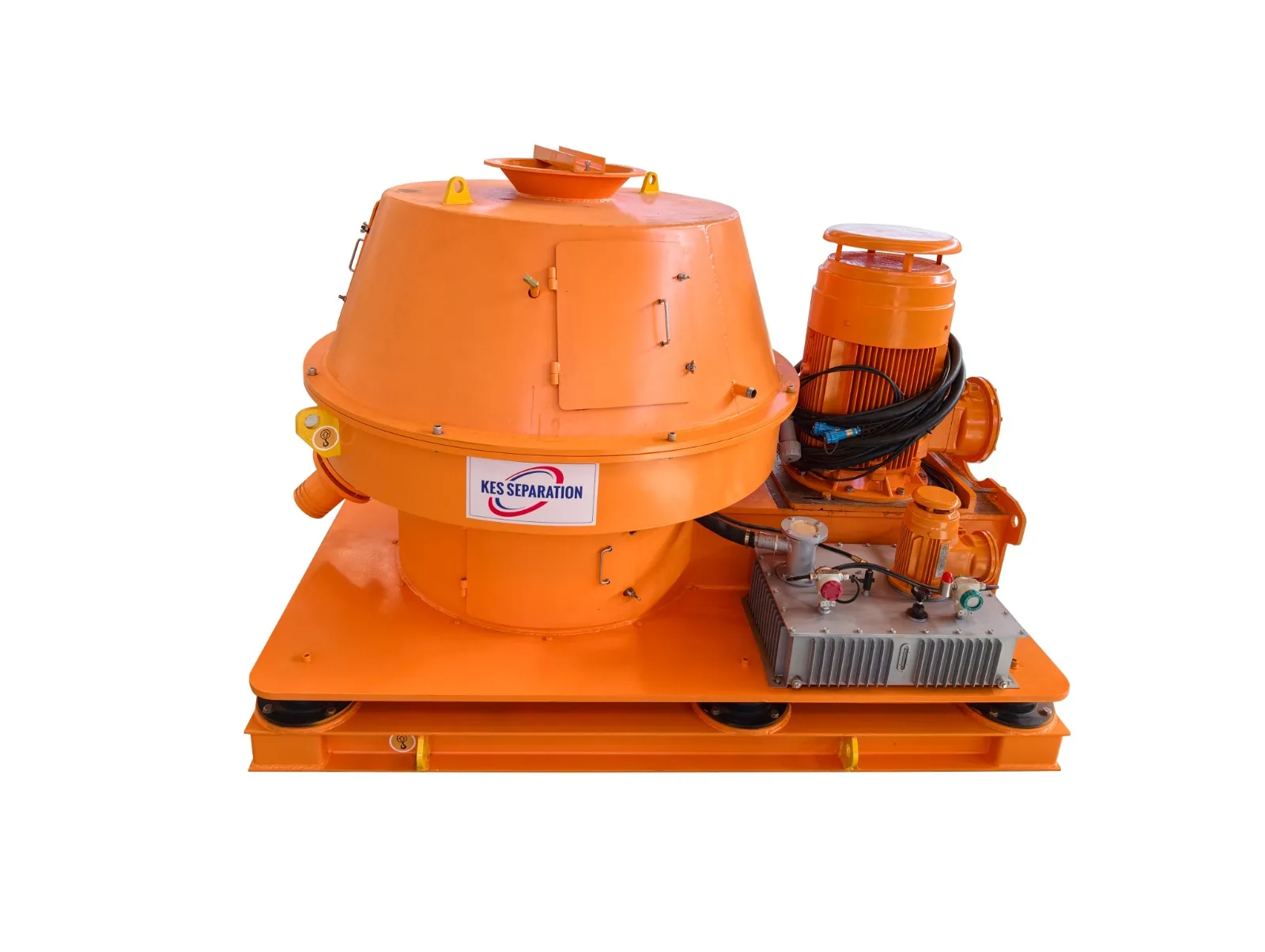
Thermal Desorption Units
Indirect-fired thermal units for oil-on-cuttings remediation, base oil recovery and low-residual-hydrocarbon treated solids.

Thermal desorption units (TDUs) apply controlled indirect heat to oil-contaminated drill cuttings, boiling off the hydrocarbon fraction into a vapour stream that is condensed and recovered as reusable base oil. Following thermal treatment, recovered solids may be suitable for reuse, recovery or disposal, subject to laboratory analysis, residual contaminant concentrations, applicable environmental regulations and approval by the relevant authority.
Paragon supplies modular TDUs as trailer-mounted or skid-mounted packages, sized for onshore drilling waste programmes and legacy pit remediation projects.
How it works
- 1Feed cuttings enter a heated processing chamber where they are held at 300–500°C in an oxygen-starved environment.
- 2Hydrocarbons and residual water vaporise off the solids and are drawn into a condenser train.
- 3Vapours condense into recovered base oil (returned to the client's mud system) and process water (usually discharged after treatment).
- 4Treated solids exit as a free-flowing cake, typically with residual TPH below 0.5% by weight; final classification and end use depend on laboratory analysis and regulatory approval.
Typical specifications
Technical specifications are indicative and may vary depending on the selected manufacturer, equipment model, feed characteristics, operating conditions and project requirements. Final specifications and applicable certification will be confirmed during technical review and quotation.
Typical applications
- Onshore OBM cuttings treatment where discharge is not permitted
- Legacy drilling waste pit remediation
- Base oil recovery from cuttings and slop tanks
- Treated solids for potential reuse or recovery (e.g. cover, road base), subject to analysis and regulatory approval
Selection factors
Feed characterisation up front
TDU performance and economics hinge on feed hydrocarbon content, water content and particle size. Get representative samples analysed before sizing the unit — nameplate throughput on a spec sheet assumes ideal feed.
Emissions & permitting
TDUs require an integrated stack treatment train and jurisdiction-specific emissions permits. Factor permitting lead time into the project schedule from day one.
Base oil quality closes the business case
Recovered base oil that meets the client's mud spec directly offsets new mud purchases — often the single biggest line item in the project economics. Design the condenser train and polishing steps around this.
“The two projects that go wrong on TDUs are (1) unrepresentative feed samples used for sizing and (2) permitting lead times underestimated. Both are avoidable — plan for them at day one.”
Spares we supply
Why Choose Paragon
30+ years of field experience
Our engineers have specified, commissioned and troubleshot equipment on projects across Europe, Africa, the Middle East and the Americas.
Independent technical advice
We are not tied to a single manufacturer — recommendations are driven by fit for your process, not by margin.
Global sourcing network
Trusted OEM and specialist aftermarket suppliers, with dual-sourced wear parts to protect you from lead-time risk.
Delivered ready to work
Inspection, testing, commissioning and technical support included — not left as an afterthought.
Responsive engineering support
One working-day response on technical enquiries, and hands-on troubleshooting when you need it.
Long-term client relationships
Most of our work comes from clients we've supported through multiple projects and equipment life cycles.
Need help specifying a thermal desorption unit?
Share your flow rate, feed characteristics and site constraints — our engineers will come back with a concrete configuration and budget within one working day.