Mud Tanks & Mixing Systems
Active, reserve and mixing mud tank packages with agitators, hoppers, guns and degassers — engineered as a complete circulating system.
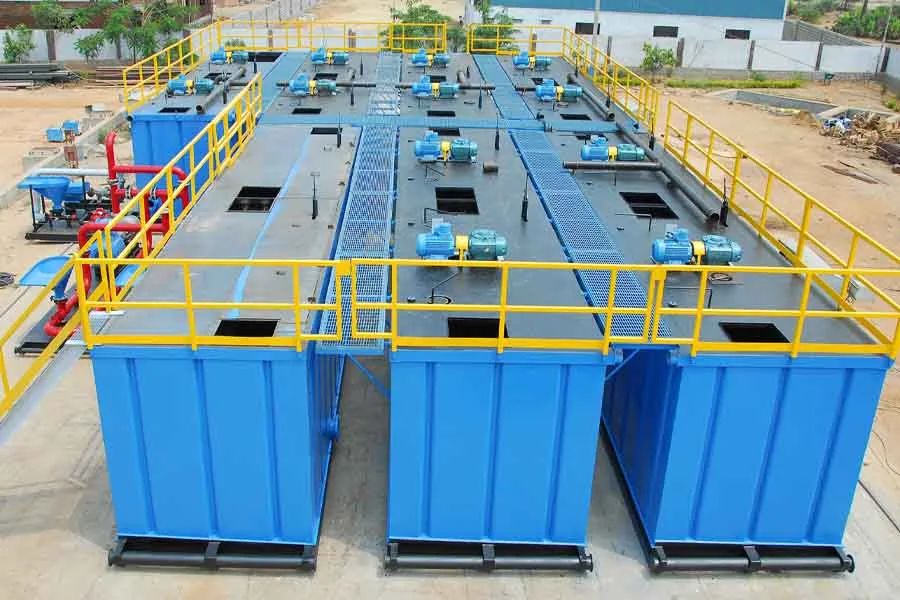
A mud system is only as good as the tanks that carry it. Paragon supplies complete circulating mud tank packages — active pits, reserve pits, slug tanks, trip tanks — with correctly sized agitators, high-shear mixing hoppers, mud guns and vacuum degassers.
Every tank package is sized and laid out around actual pump rate, mud volume and rig footprint, not a repurposed template from another job.
How it works
- 1Mud circulates from suction tanks through the mud pumps and drill string, returning through the shakers and back into the active system.
- 2Agitators keep barite and cuttings suspended; mud guns provide targeted high-shear turnover in dead zones.
- 3New mud is built via the mixing hopper — high-shear venturi that wets and disperses dry additives in a single pass.
- 4Vacuum degassers remove entrained gas before it re-enters the pump suction, protecting mud weight and equipment life.
Typical specifications
Specifications indicative — actual configuration sized against your specific process.
Typical applications
- Land and offshore drilling mud systems
- Workover and completion fluid tanks
- HDD and civil bentonite systems
- Storage and pre-treatment tanks in industrial process
- Mobile fluid handling on remediation and civil projects
Selection factors
Volume matches circulating rate
Active volume should give at least one full circulation between the annular return and the suction, plus surface reserve. Undersized tanks lead to entrained gas, poor treatment and cavitation.
Agitator sizing keeps solids in suspension
Under-agitated tanks let barite settle — mud weight drifts, cost climbs. Size impellers to actual tank geometry and mud rheology, not by rule of thumb.
Mud guns fix dead zones
Rectangular tanks always have dead spots. A properly aimed mud gun turns those over and keeps the whole tank homogenised — a small addition with a large operational payoff.
“Barite drop-out at the bottom of the pit is not a barite problem. It is an agitator sizing problem — and the cost shows up in mud consumption every single day.”
Spares we supply
Why Choose Paragon
30+ years of field experience
Our engineers have specified, commissioned and troubleshot equipment on projects across Europe, Africa, the Middle East and the Americas.
Independent technical advice
We are not tied to a single manufacturer — recommendations are driven by fit for your process, not by margin.
Global sourcing network
Trusted OEM and specialist aftermarket suppliers, with dual-sourced wear parts to protect you from lead-time risk.
Delivered ready to work
Inspection, testing, commissioning and technical support included — not left as an afterthought.
Responsive engineering support
One working-day response on technical enquiries, and hands-on troubleshooting when you need it.
Long-term client relationships
Most of our work comes from clients we've supported through multiple projects and equipment life cycles.
Need help specifying a mud tanks & mixing systems?
Share your flow rate, feed characteristics and site constraints — our engineers will come back with a concrete configuration and budget within one working day.
Related equipment
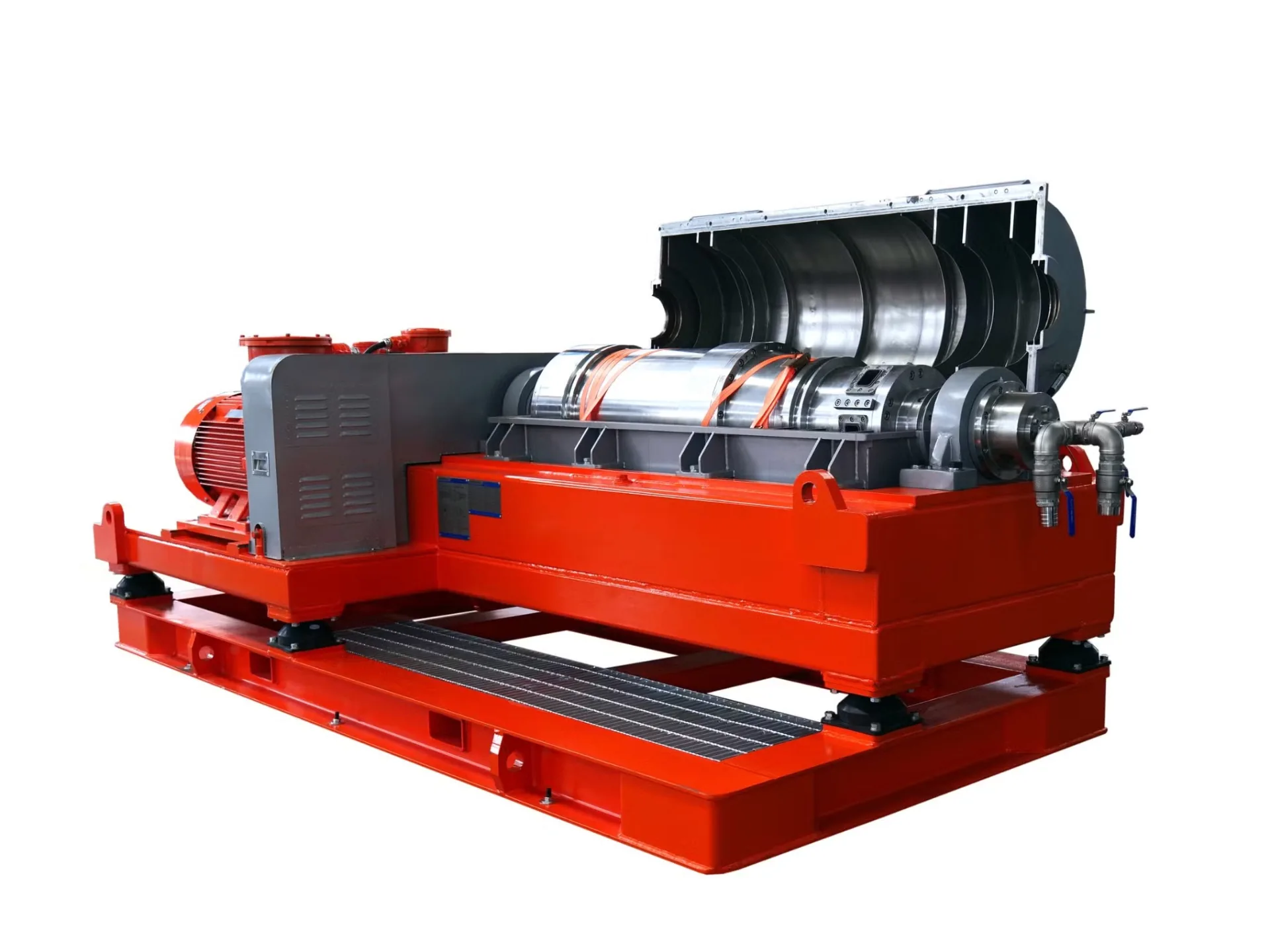
Decanter Centrifuges
High-speed decanter centrifuges for barite recovery, fine-solids removal and industrial sludge dewatering.
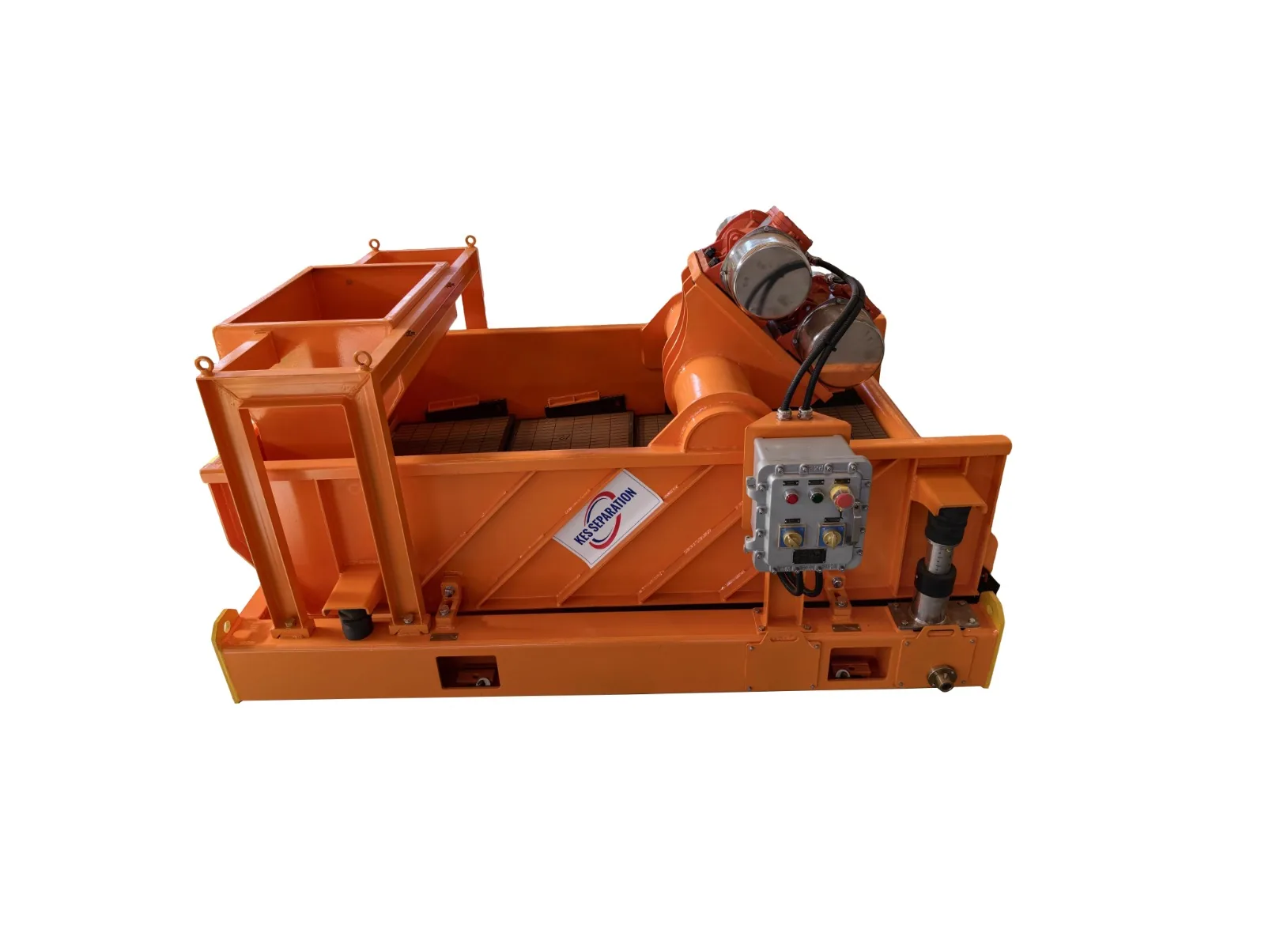
Shale Shakers
Linear-motion and balanced-elliptical shale shakers for primary cuttings separation on land and offshore drilling operations.
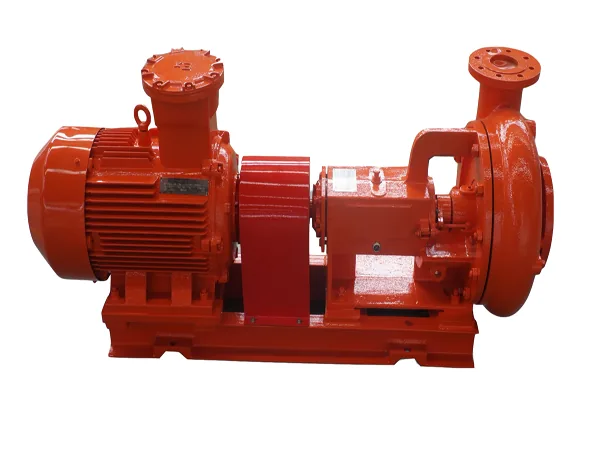
Centrifugal Pumps
Heavy-duty centrifugal pumps for mud transfer, mixing, charging and general slurry service across drilling and industrial operations.