Mud Cleaners
Integrated desander / desilter packages over a drying shaker — intermediate solids removal on a single skid.
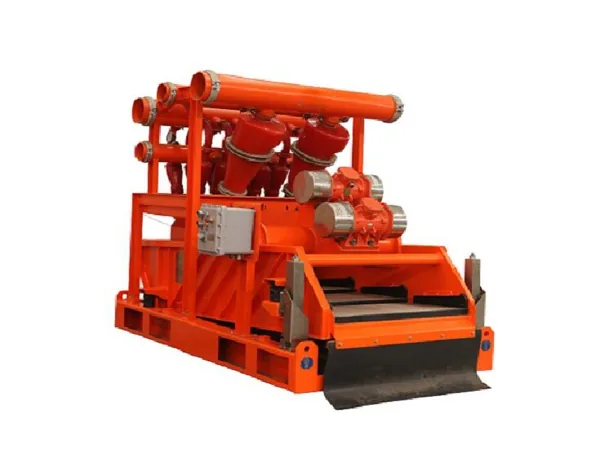
Mud cleaners sit between the primary shale shakers and the high-speed decanter centrifuge in the solids control train. A bank of hydrocyclones — desander cones plus desilter cones — separate intermediate solids, and the cyclone underflow is dried over an integrated high-G shaker before the recovered fluid returns to the active mud system.
The result is a single skid that removes low-gravity solids down to 15–20 microns while returning valuable weighting agent and base fluid back to the system.
How it works
- 1Mud is pumped from the active pit into a manifold feeding banks of 10" (desander) and 4" (desilter) hydrocyclones.
- 2Centrifugal action in each cyclone throws heavier solids to the wall — they exit through the apex as underflow — while cleaned fluid exits the overflow and returns to the active system.
- 3Cyclone underflow discharges onto a high-G drying shaker fitted with fine mesh, where residual fluid drops through the screens and back to the active system.
- 4Dried solids discharge off the shaker for further waste treatment.
Typical specifications
Specifications indicative — actual configuration sized against your specific process.
Typical applications
- Intermediate solids removal on unweighted water-based mud
- Barite recovery ahead of the centrifuge on weighted mud
- Low-gravity solids control on top-hole intervals
- Compact solids control packages for HDD and civil bentonite systems
Selection factors
Cyclone count sizes the unit
Total cyclone count and cone size set the treatment capacity. Match cone count to mud pump circulation rate — undersize and cyclones are bypassed; oversize and cyclones run partially loaded and cut points suffer.
Apex settings drive performance
Apex diameter controls the underflow rope shape and therefore the cut point. Wrong apex and either the shaker floods or fluid escapes through the underflow. Include an operator training pass with the delivery.
Screen life on the drying shaker
The drying shaker sees dry, aggressive solids and short-lifes screens harder than the primary shakers. Specify heavier pre-tensioned composite screens and stock a matched spare set.
“A mud cleaner that keeps flooding the drying shaker is almost always an apex-inserting problem, not a shaker problem. Check apex diameters and underflow rope shape before touching the screens.”
Spares we supply
Why Choose Paragon
30+ years of field experience
Our engineers have specified, commissioned and troubleshot equipment on projects across Europe, Africa, the Middle East and the Americas.
Independent technical advice
We are not tied to a single manufacturer — recommendations are driven by fit for your process, not by margin.
Global sourcing network
Trusted OEM and specialist aftermarket suppliers, with dual-sourced wear parts to protect you from lead-time risk.
Delivered ready to work
Inspection, testing, commissioning and technical support included — not left as an afterthought.
Responsive engineering support
One working-day response on technical enquiries, and hands-on troubleshooting when you need it.
Long-term client relationships
Most of our work comes from clients we've supported through multiple projects and equipment life cycles.
Need help specifying a mud cleaners?
Share your flow rate, feed characteristics and site constraints — our engineers will come back with a concrete configuration and budget within one working day.
Related equipment
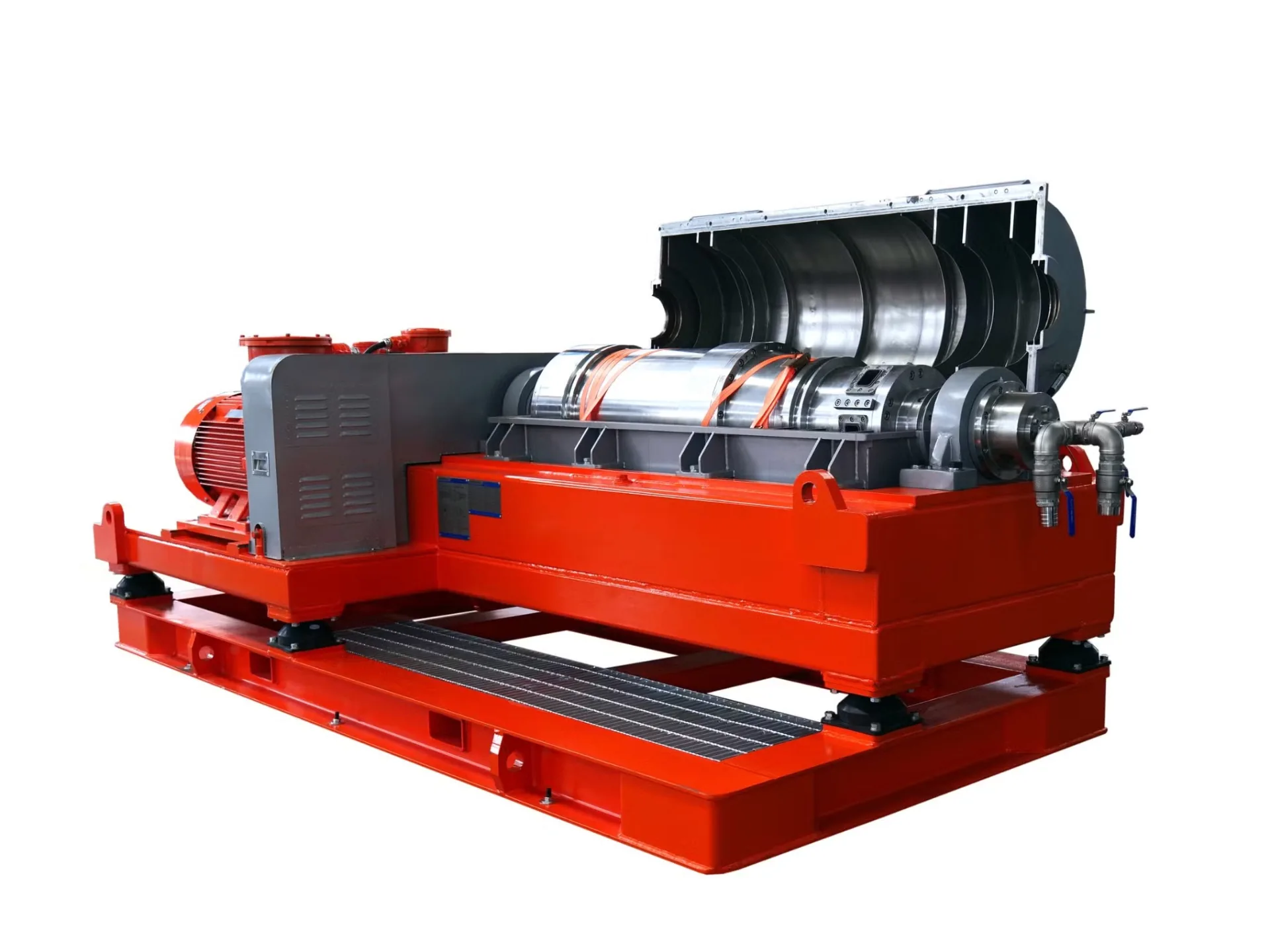
Decanter Centrifuges
High-speed decanter centrifuges for barite recovery, fine-solids removal and industrial sludge dewatering.
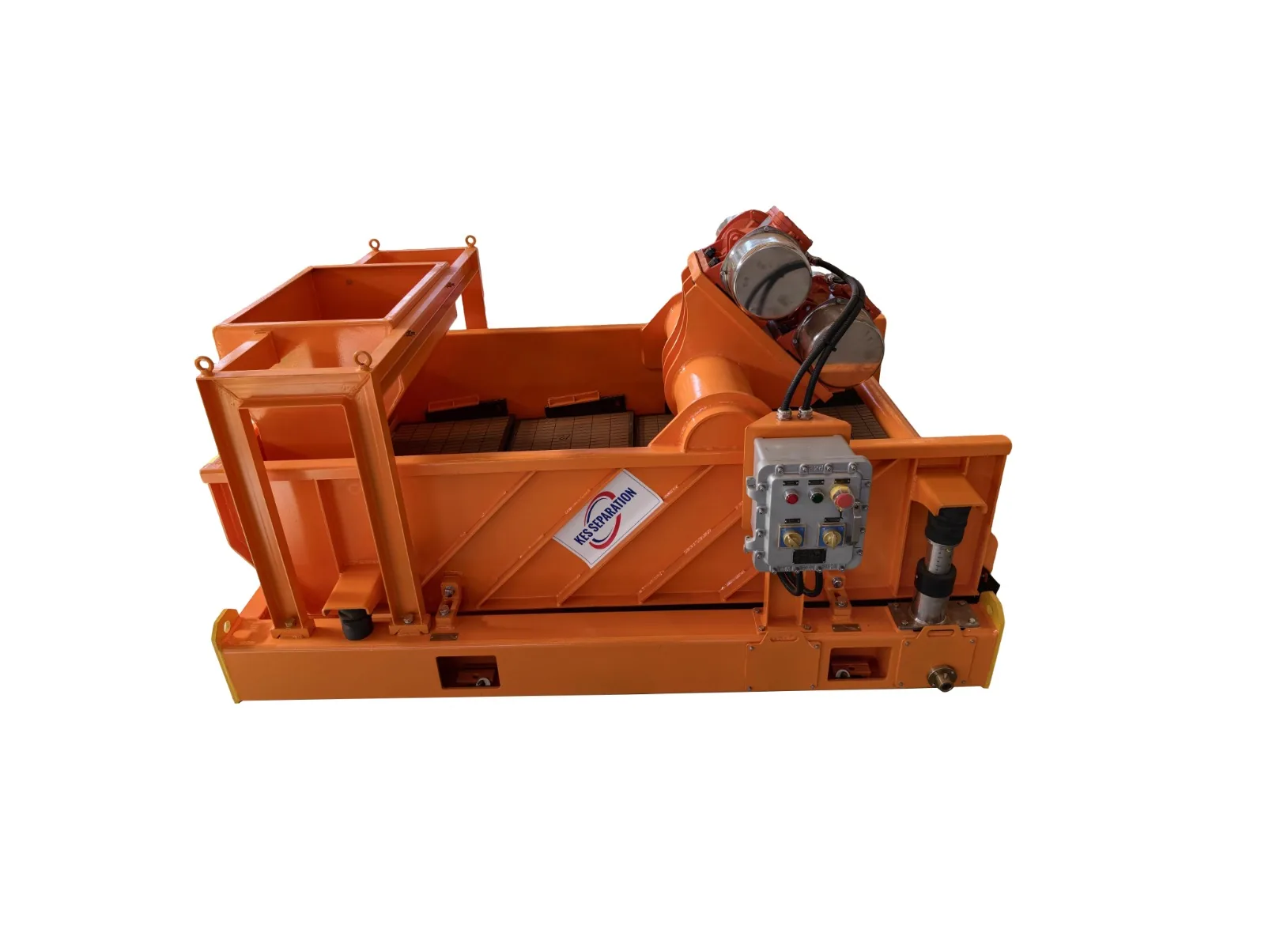
Shale Shakers
Linear-motion and balanced-elliptical shale shakers for primary cuttings separation on land and offshore drilling operations.
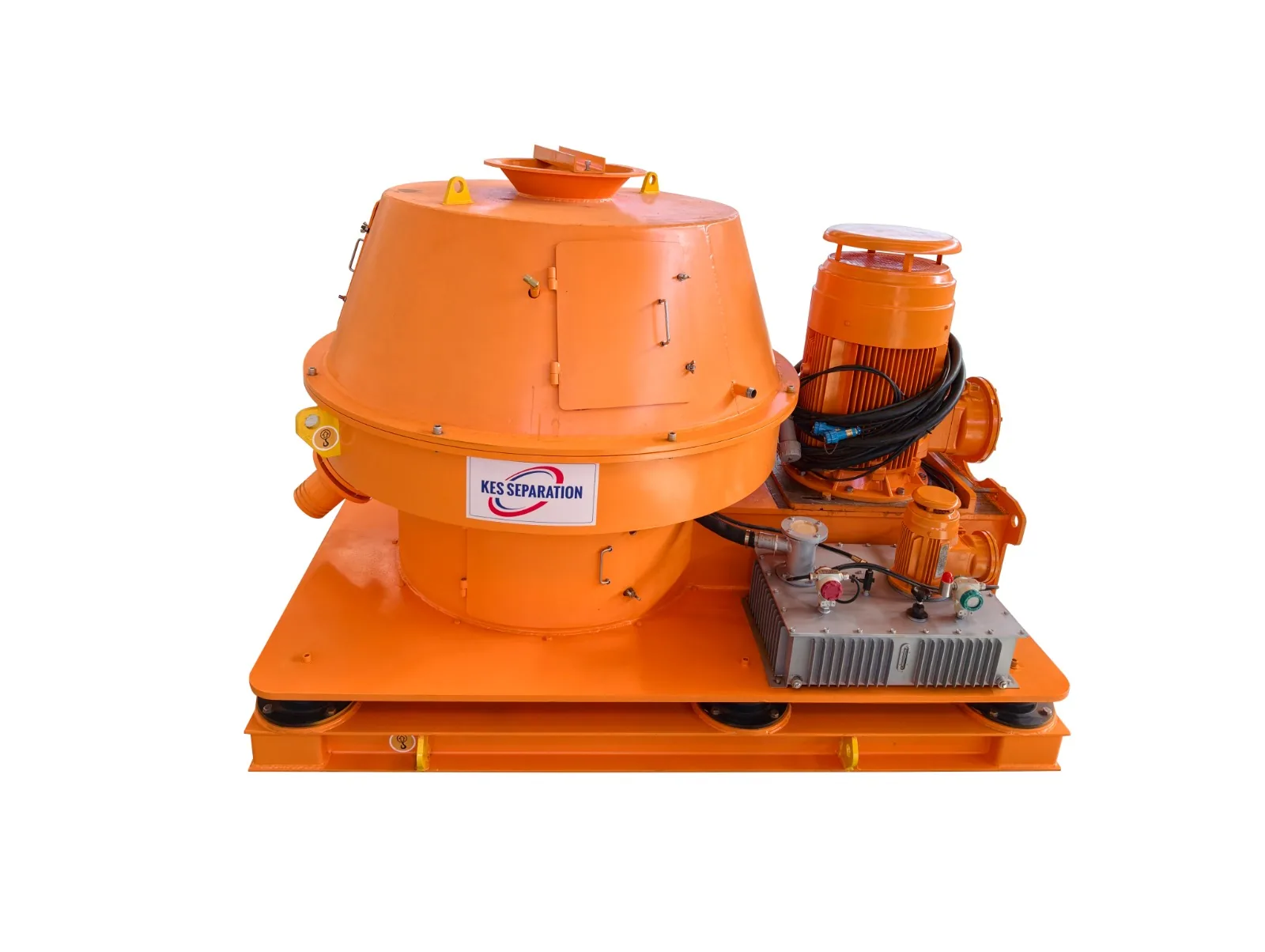
Vertical Cuttings Dryers
High-G vertical basket centrifuges that recover base oil from OBM cuttings and cut oil-on-cuttings to compliance targets.